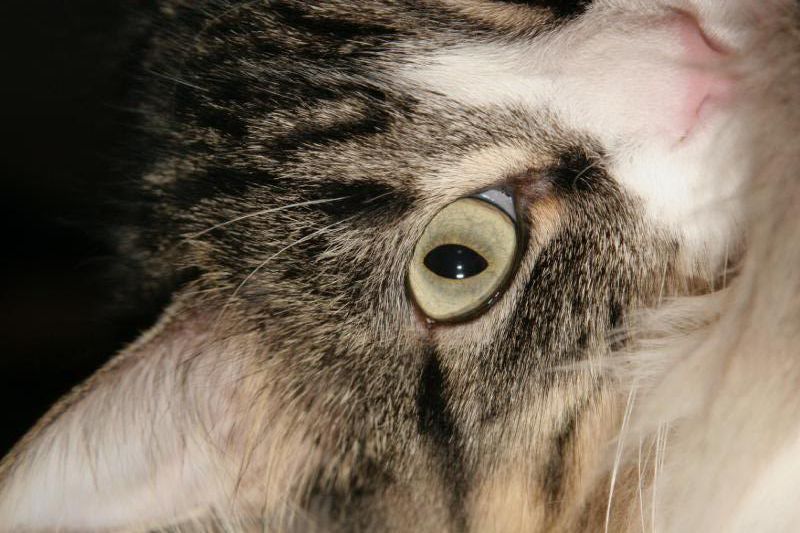
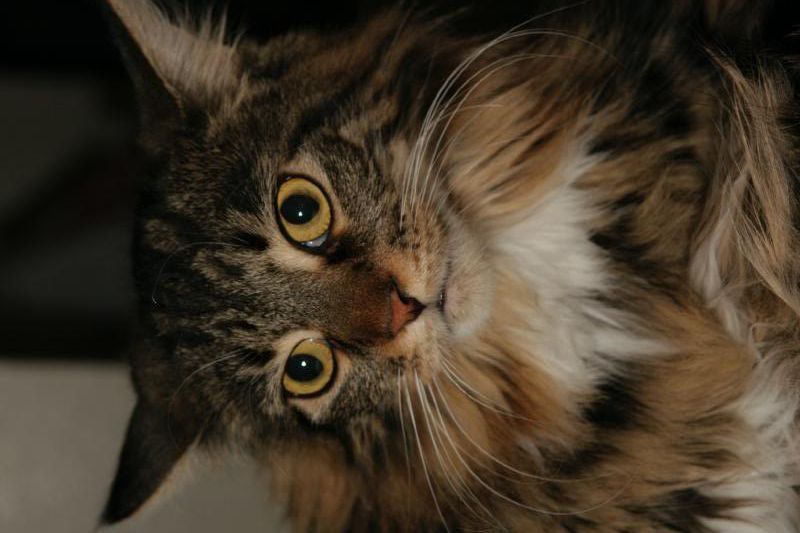
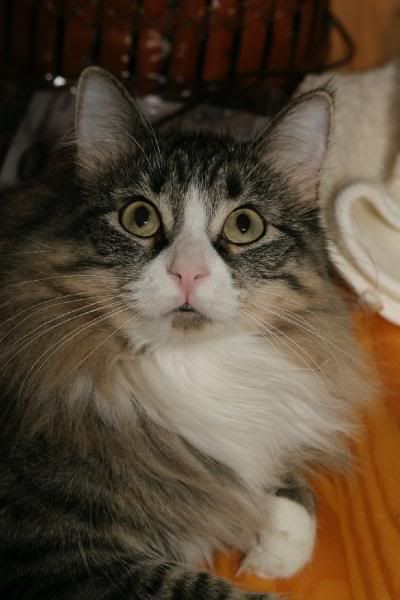
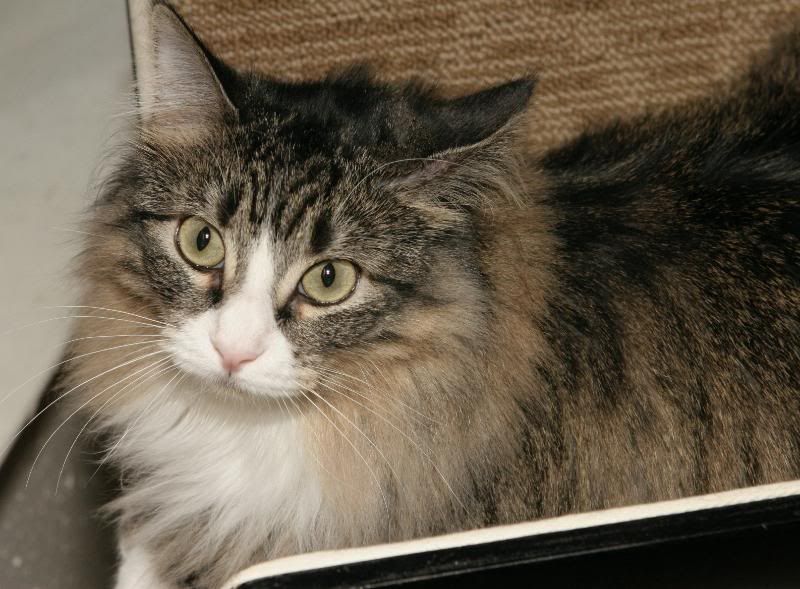
I'ze ready 4 mah closeup
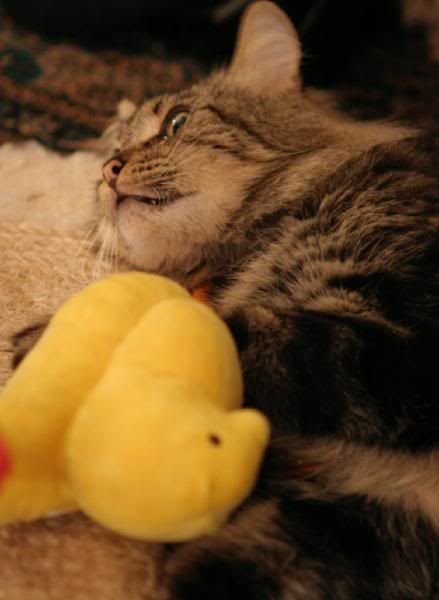
 U get dat camera out of mah face... I'ze napping

 Matthew Hinton AFP/Getty Images
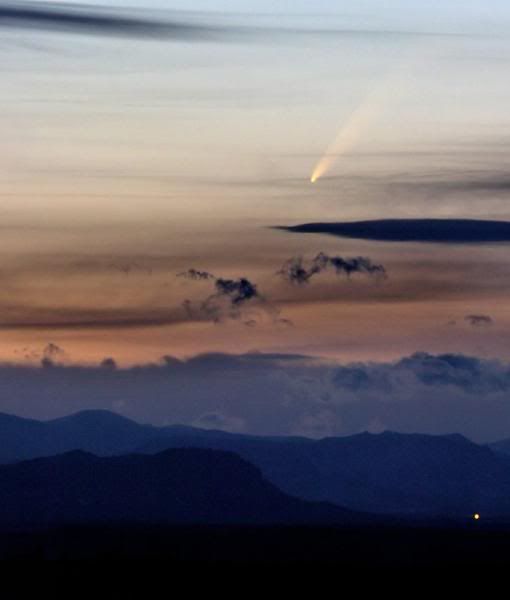
 Reuters/Pilar Olivares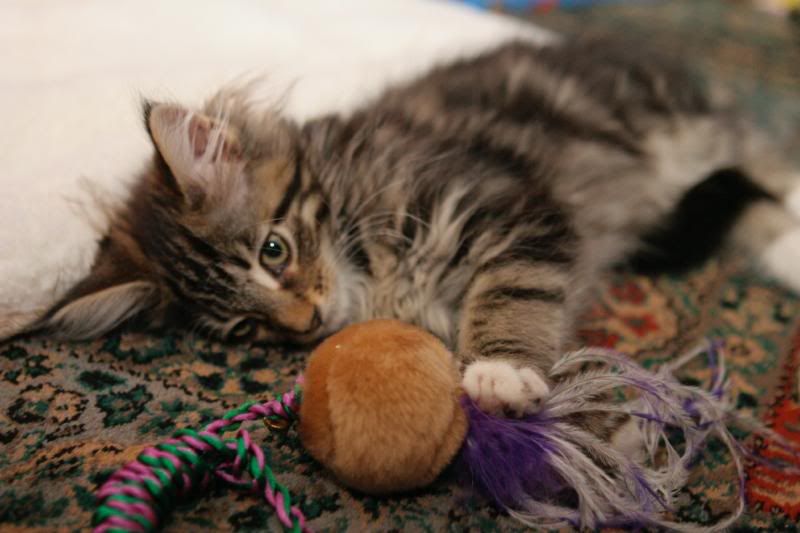
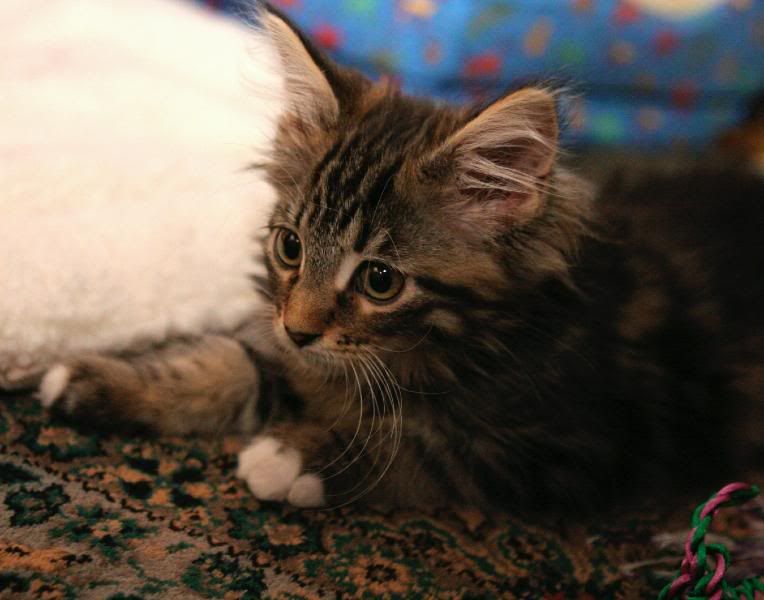
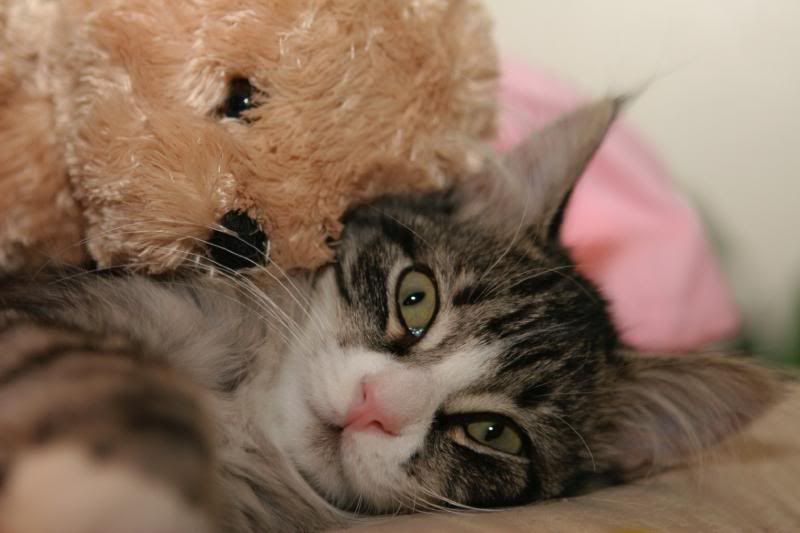
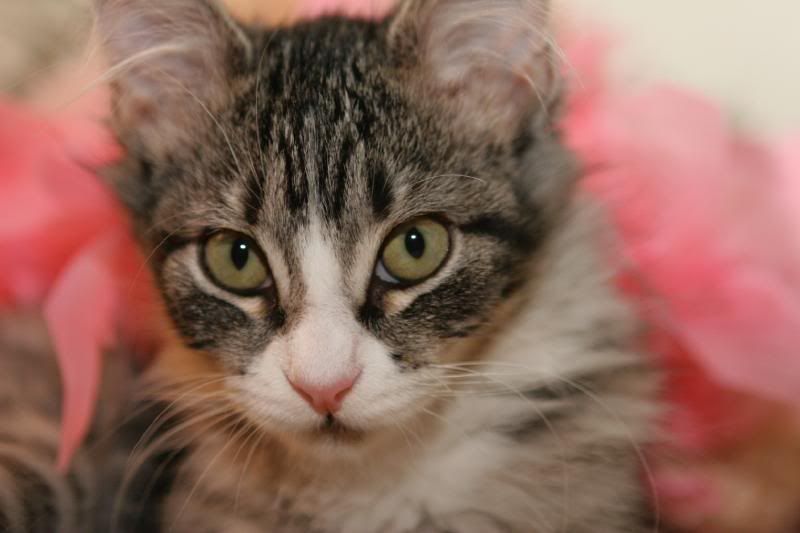
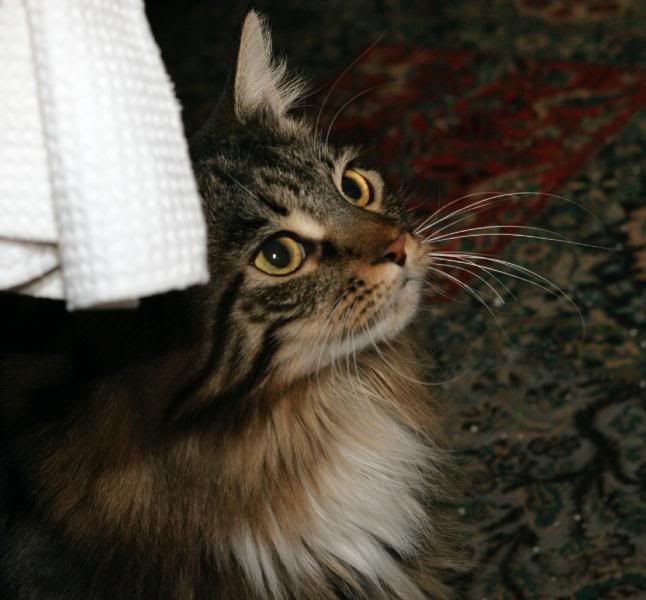
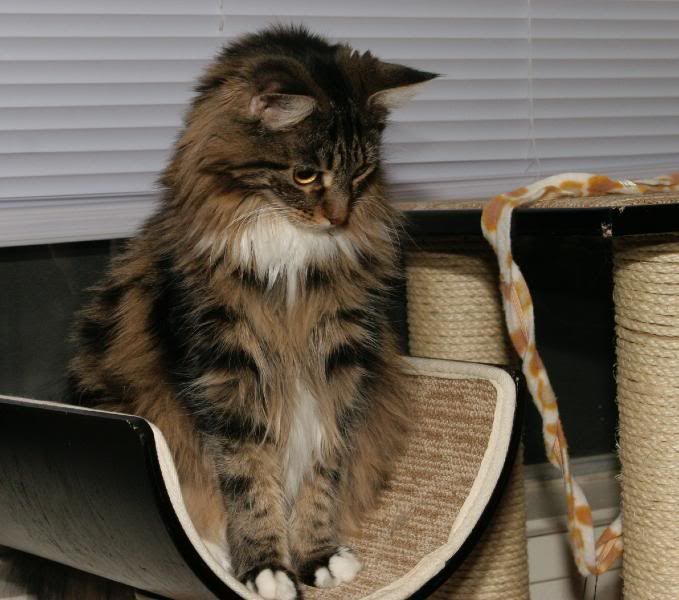
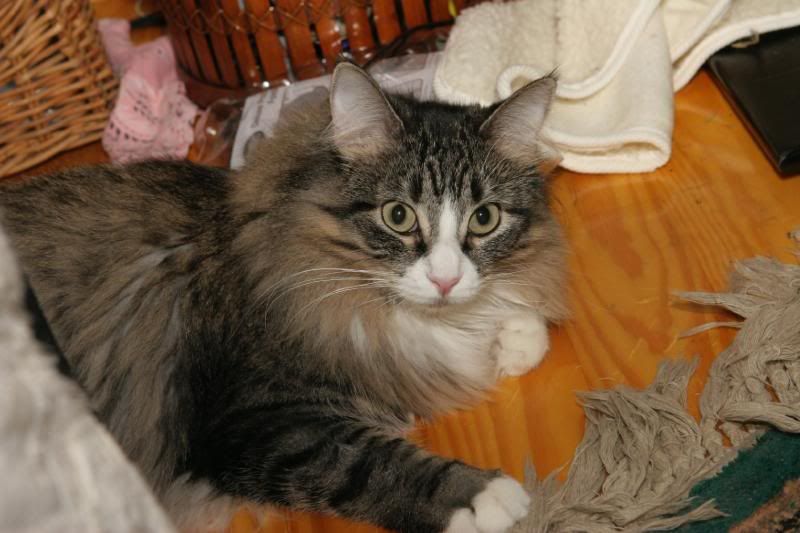 No! I did not eatted UR rug agins. Rly. I wuz jes looking 4 mah mousie.
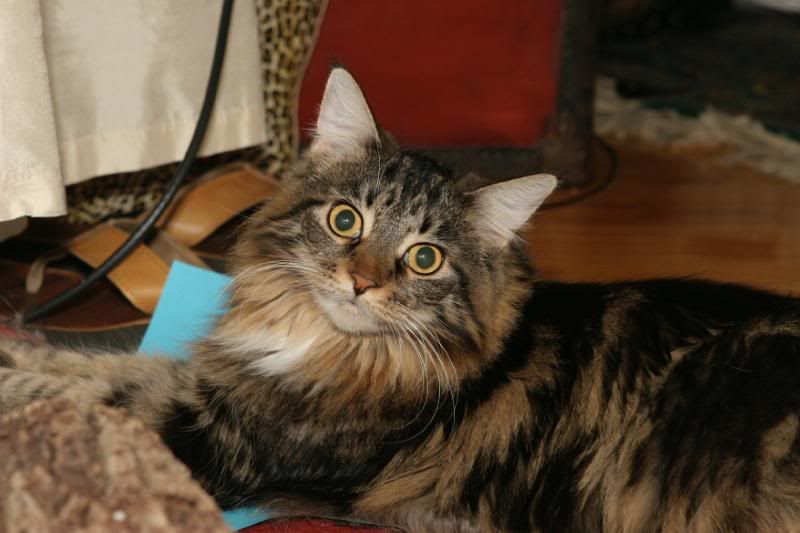 an I wuzn't pawing at UR drapes. No, notz me! I doan no wer doz snags come from. Rly.

This vibrant image depicts a turbulent area of outer space which, to some, evokes a fox, hence the name Fox Fur Nebula. It lies in the constellation Monoceros, the Unicorn, near the left arm of Orion, just below the large, bright star S Mon (not visible in this image).Via Space.com.
The enigmatically textured shapes comprise dust and gas, whipped into peculiar shapes by powerful stellar winds. Blue-colored areas are formed of dust reflecting starlight. Red areas are glowing from emission caused by the ionization of hydrogen gas by starlight.
The Fox Fur Nebula is part of a much larger complex known as The Christmas Tree Cluster.

January 30, 2008—Continuing to defy the odds, the Mars rover Opportunity marked its fourth operational year on the Martian surface last Friday.Photo courtesy of NASA/JPL/Caltech/Cornell via National Geographic News.
The rover landed on Mars on January 25, 2004, and was meant to carry out a 90-day mission. Despite its age and what could have been a crippling dust storm last summer, the probe continues to send back valuable data almost 1,500 days later.
Panoramic images released by NASA last week show the so-called Lyell section of a band of light-colored rock that rings the interior of the red planet's massive Victoria Crater.
The band, which sits about 20 feet (6 meters) inside the rim, is believed to be an exposed layer of the Martian surface as it existed millions of years ago, before the impact that formed the crater.
The new view combines several images taken from inside the crater between October and December 2007. During this three-month stretch, the rover's panoramic camera sampled scenes in a variety of wavelengths of light.
Combining shots taken in different wavelengths created approximate true-color (bottom) and false-color (top) versions, which allow astronomers to see subtle features and color variations.
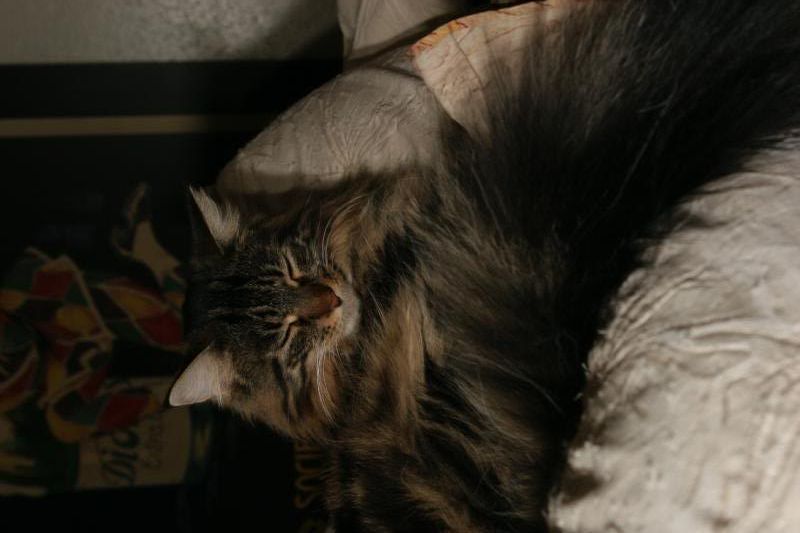 My centaur is sad cause Edwards is dropping out.
 I dust liveroom to maek U feel better, kai?
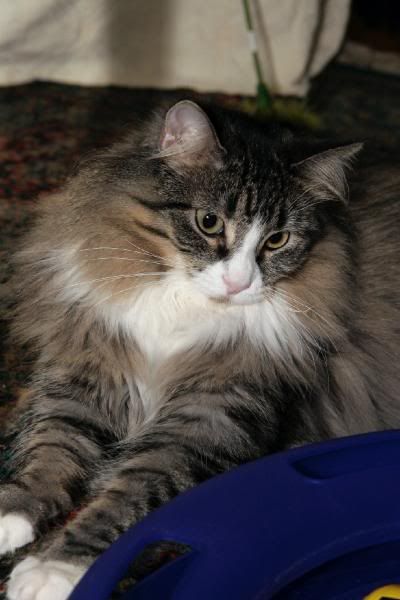 an I werk rly hard on to finish rOckets 4 U, kai?
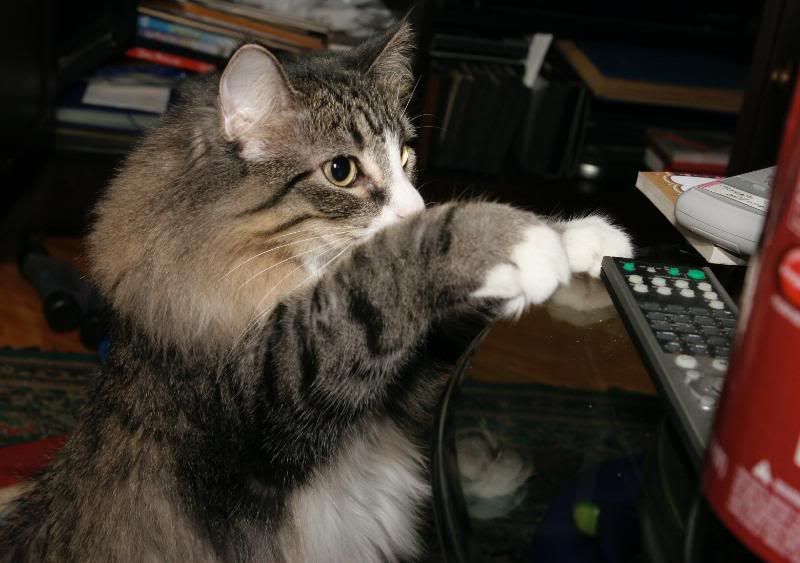 I turn on nice mooveee 4 U
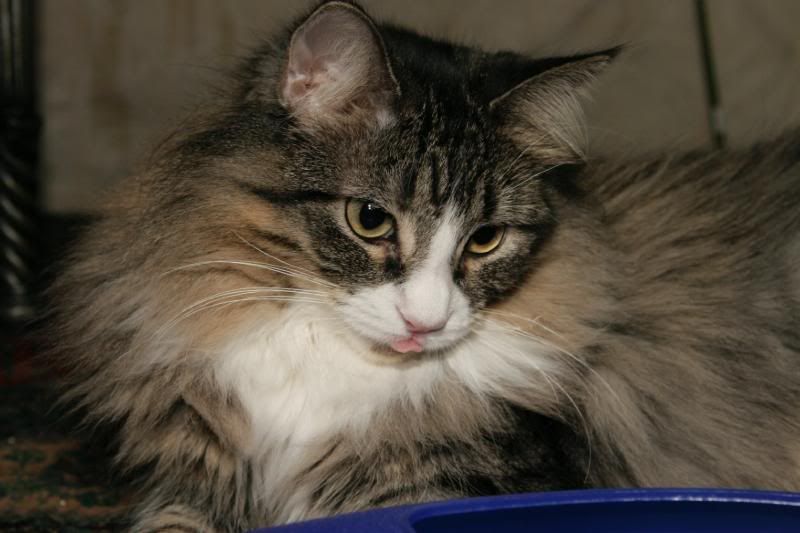
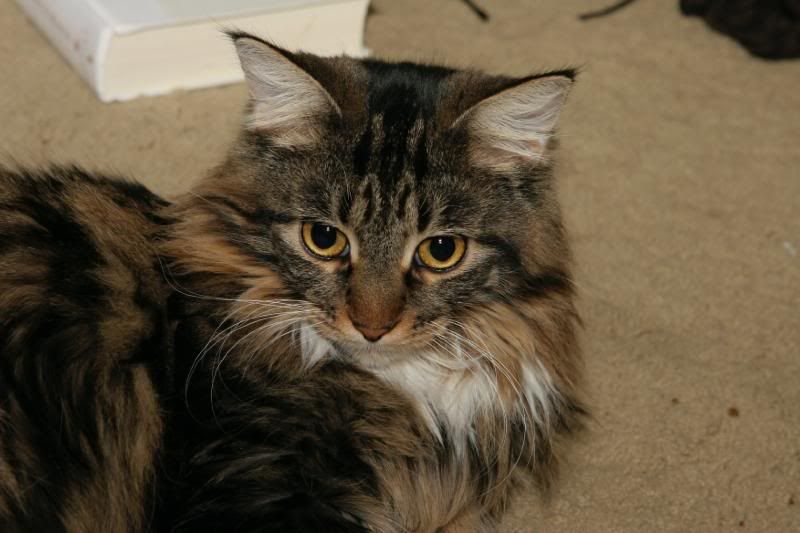
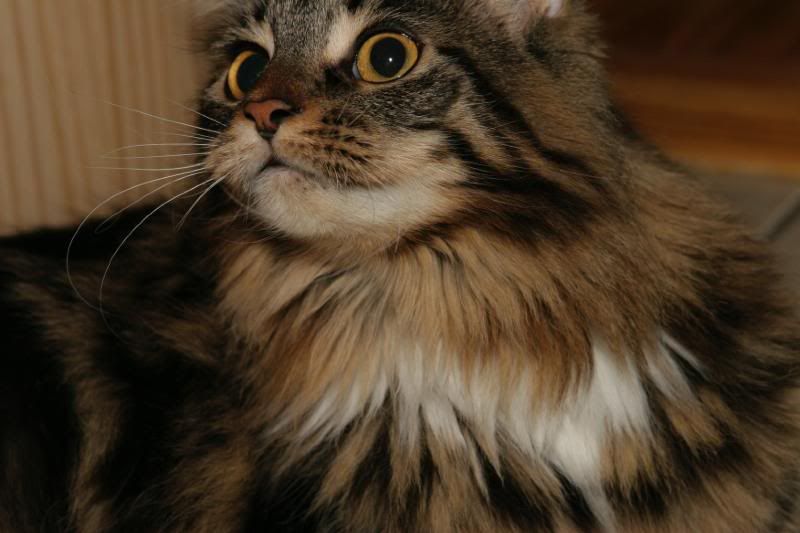 Dems did NOT role over todai? iz true?
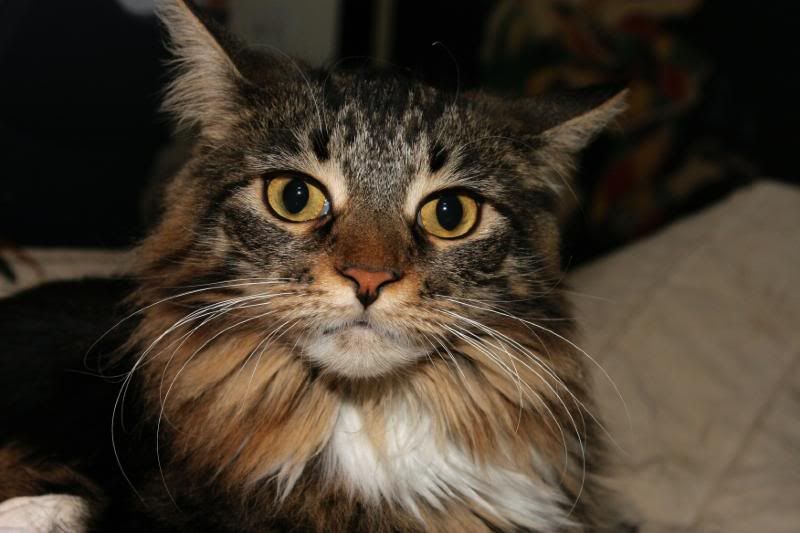 U NOT goan maek us listen to chimpy R U?
 Rethugs will be talking? I hurry up wit fizziks exparmts. Need to finishes rOkets vry soon.
 Den we haz drinking game to drown out chimp callz. Kai thx bai
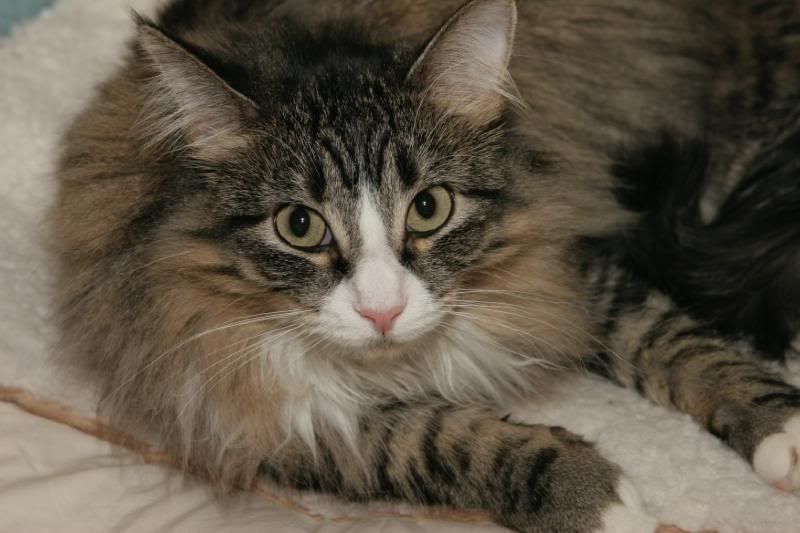 Oh, hai! dis new down comforter is vry comfee- tanks!
  Oh hai - I iz busee here- do U mind?
 Credit & Copyright: Alain Sallez (picdumidi.org), David Romeuf (Université Lyon 1)
Explanation: This dreamlike view looking south from the historic mountain top Pic du Midi Observatory combines moonlit domes, a winter night sky, and the snowy peaks of the French Pyrenees. Encroaching on the night, lights from the La Mongie ski resort illuminate the mountain slopes nearby while the glow along the distant horizon is from urban areas in southern France and Spain. The night sky features stars of the constellations Orion and Gemini with a bright planet Mars very near the top edge, left of center. The three prominent domes visible (from left to right) house a 0.6 meter telescope reserved for amateur astronomers, a 1 meter telescope that was used to support the Apollo lunar landing missions, and the new, Sun-watching CLIMSO.From NASA's Astronomy Picture of the Day.

 Posts
All Comments
Posts
All Comments