The war is still a complete and total clusterfuck, no matter what chimpy and faux news say about it.
Posted over at Gots Pitchfork?
Saturday, October 27, 2007


Friday, October 26, 2007
U can haz some baby pics


Eeeeep! how hilarious was Maddie? and how silly wuz Ripley with her little fat tummy? Too bad they grow up so quickly.
Moar lion kitty Maxx


Wuz looking for gurlz baby pics and ran across these photos of my oh-so-handsome boy. What a most excellent kitteh he was!


Thursday, October 25, 2007
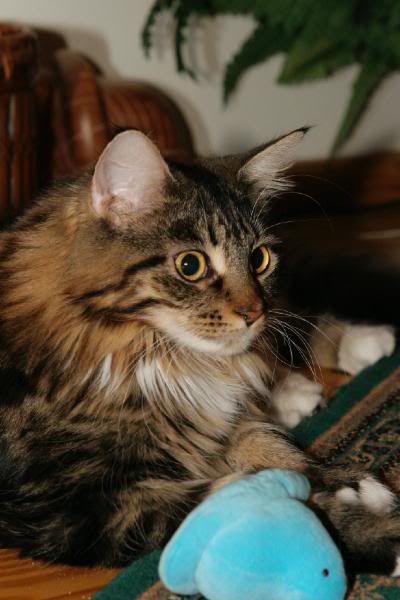
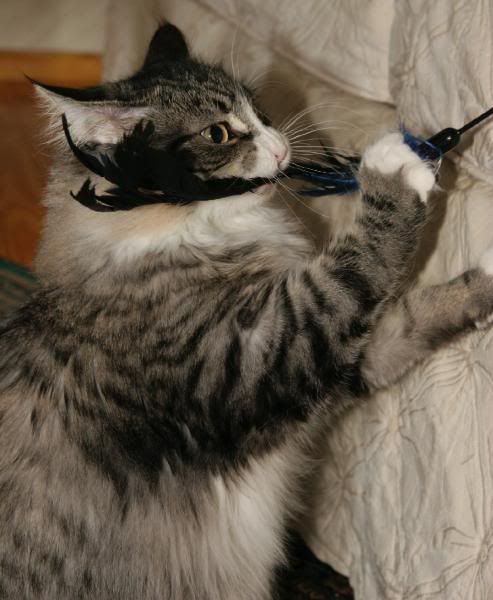

Wednesday, October 24, 2007
Kitteh hijinx
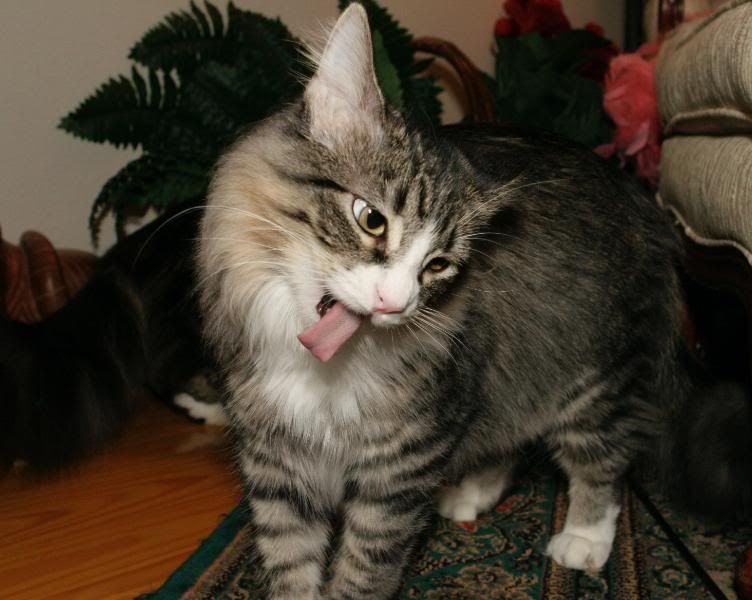 I'z bited mah sister, she had a flvr- it wuz bad
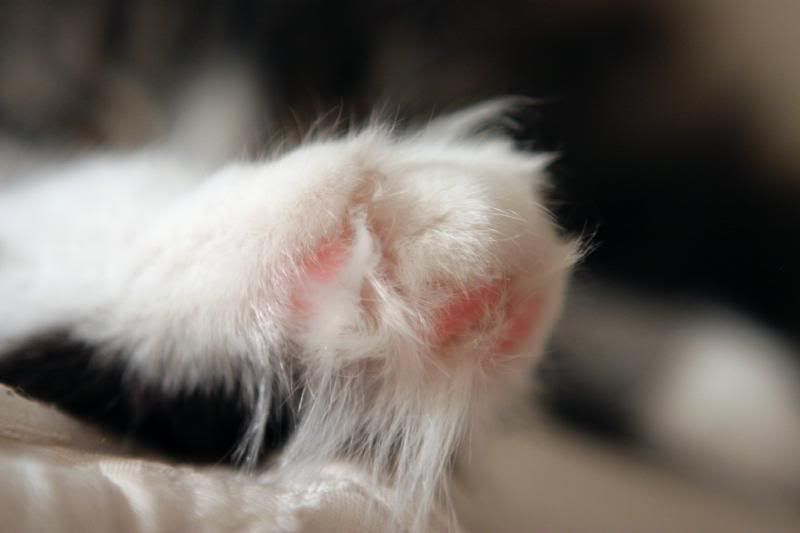 Mah toesies R tufties, U agree
 Iz nuffink on teevee
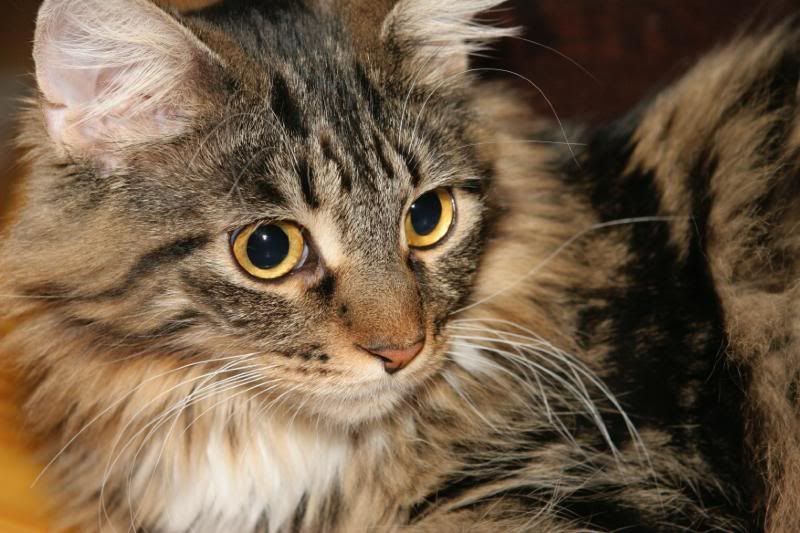 Ripleeeee! no bitey! k thx bai
Tuesday, October 23, 2007
Maxxine update - noir version


Little Maxxine is growing- she's now 3.75 lbs. Maxx would be so proud.
Iz kittehs some moar
 U maik r fans wait! iz not rite
 U werk 2 much
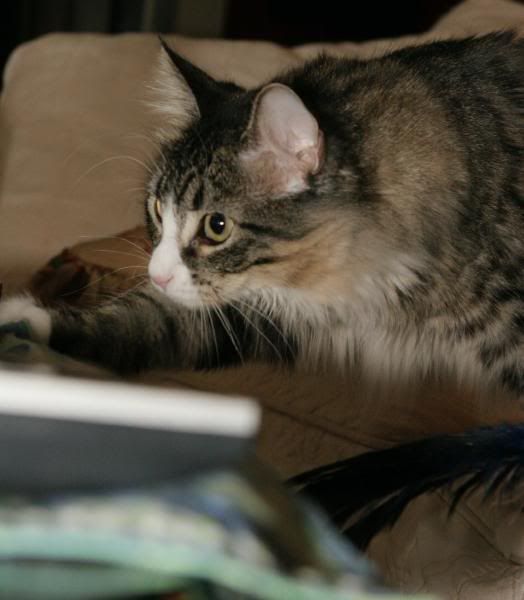 Nvr mine dat, I'z on UR coffee table, steelin UR snx
 ... and killn many feathers
Monday, October 22, 2007
Space!!

From the Atronomy Picture of the Day:
Inspired during a visit to Fort Davis, Texas, home of McDonald Observatory and dark night skies, photographer Larry Landolfi created this tantalizing fantasy view. The composited image suggests the Milky Way is a heavenly extension of a deserted country road. Of course, the name for our galaxy, the Milky Way (in Latin, Via Lactea), does refer to its appearance as a milky band or path in the sky. In fact, the word galaxy itself derives from the Greek for milk. Visible on moonless nights from dark sky areas, though not so colorful as in this image, the glowing celestial band is due to the collective light of myriad stars along the plane of our galaxy, too faint to be distinguished individually. The diffuse starlight is cut by dark swaths of obscuring galactic dust clouds. At the beginning of the 17th century, Galileo turned his telescope on the Milky Way and announced it to be composed of innumerable stars.Hat tip to Plum P.


Sunday, October 21, 2007

Saturday, October 20, 2007

Iz caturday agin todai


Those gurlz be hanging....
(high res photos, click on them to see all the up close plushy details)

Friday, October 19, 2007


Thursday, October 18, 2007
Riplleeeeeeeee!!
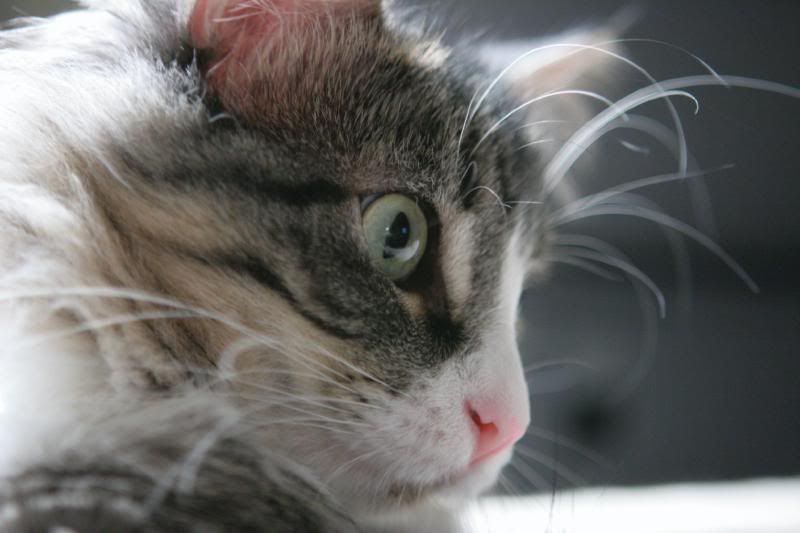 Iz not mah best side.
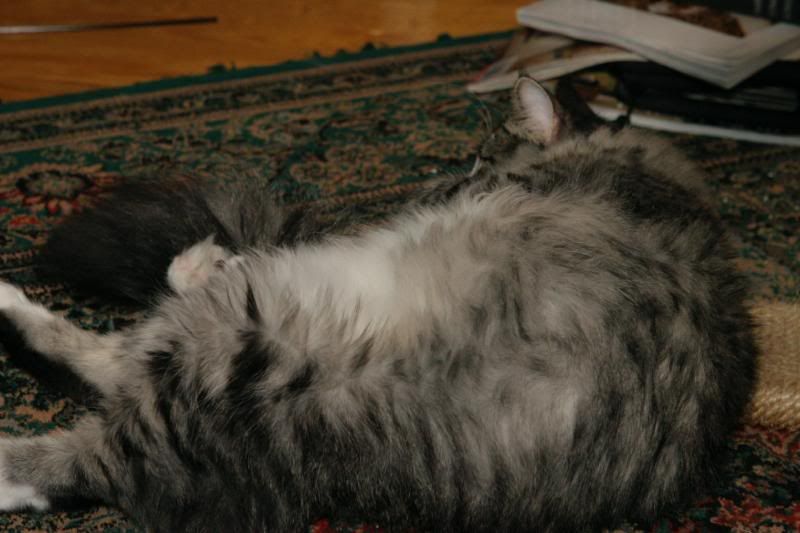 Ack! nao U maek me look like beeetched hedgehog! oh noes!
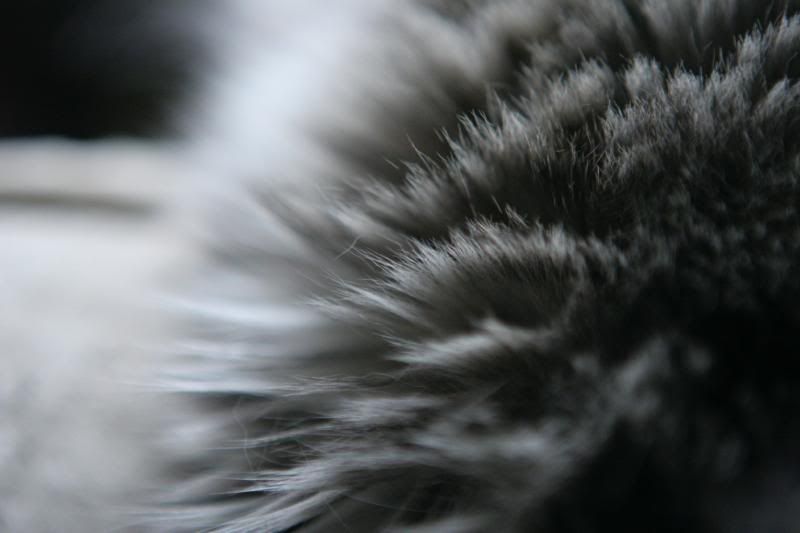 Rly, iz just mah fluffinesss.
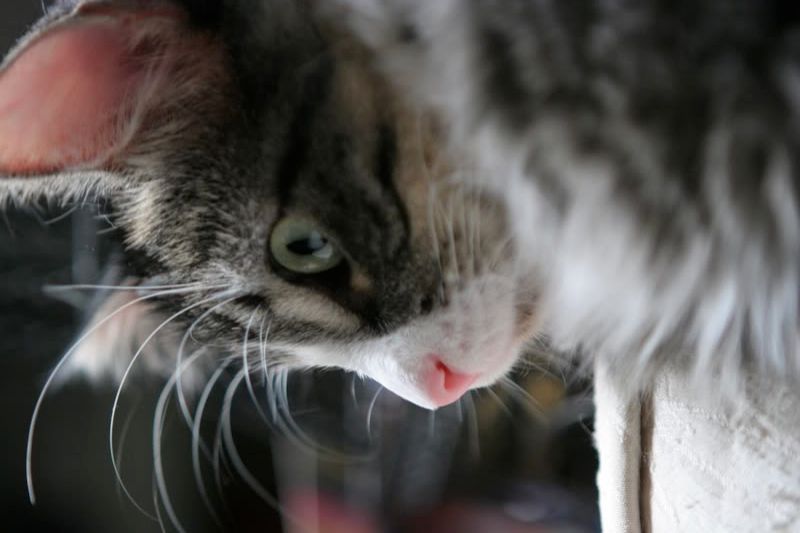 Dere, much better- nao I look glamourous agin.
MOAR ZOEY!!!! she gets prezzies...

Ripley and Maddie were so upset that Zoey's been feeling bad, so they sent her some fun stuff to make her feel better.

Wednesday, October 17, 2007
Oh, noes! monster BLACK HOLE!!

Okay, this is actually pretty cool: Monster Black Hole Busts Theory. And then eats Cincinnatti.
A stellar black hole much more massive than theory predicts is possible has astronomers puzzled.Fascinating stuff.
Stellar black holes form when stars with masses around 20 times that of the sun collapse under the weight of their own gravity at the ends of their lives. Most stellar black holes weigh in at around 10 solar masses when the smoke blows away, and computer models of star evolution have difficulty producing black holes more massive than this.
The newly weighed black hole is 16 solar masses. It orbits a companion star in the spiral galaxy Messier 33, located 2.7 million light-years from Earth. Together they make up the system known as M33 X-7.
"We're having trouble using standard theories to explain this system because it is so massive," study team member Jerome Orosz of the University of California, San Diego, told SPACE.com.
The black hole in M33 X-7 is also the most distant stellar black hole ever observed. The findings, detailed in the Oct. 17 issue of the journal Nature, could help improve formation models of "binary" systems containing a black hole and a star. It could also help explain one of the brightest star explosions ever observed.
Goes to show you that we just don't know everything about the universe yet. Nevermind what goes on in other universes. From our friends at Space.com.
Subscribe to:
Posts (Atom)

 Posts
Posts